
When your current treatment is not enough
Understanding ketamine care
At Advance Aotearoa, care starts with understanding your treatment history, current health and goals. Explore assessment, the different forms of ketamine, what a treatment visit involves, and the questions to discuss with your psychiatrist.
What we discuss at assessment
An assessment considers the whole picture: your symptoms, previous treatment, other health conditions and personal preferences. We discuss the available options, the strength and limits of the evidence, and the balance of possible benefits and risks. An assessment does not commit you to treatment, and a response cannot be guaranteed.
How ketamine therapy works
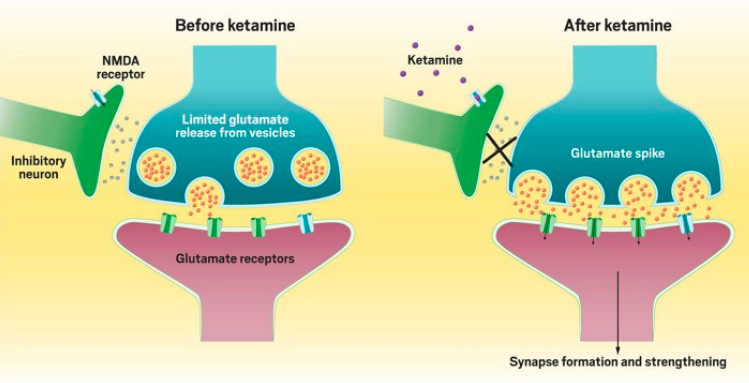
Ketamine acts on NMDA receptors involved in glutamate signalling in the brain, a different pathway from many conventional antidepressants. Researchers are studying how these effects relate to changes in mood and the brain’s ability to adapt.
Clinical trials in treatment-resistant depression have found symptom improvement in some participants. Response varies, improvement may not last, and some people do not benefit. Findings from one diagnosis, formulation or treatment setting cannot simply be applied to another. Assessment and ongoing review help put the evidence in the context of your own care.
Possible adverse effects include nausea, dizziness, sedation, changes in perception or a feeling of detachment, and increased blood pressure. Repeated use also raises concerns about urinary symptoms, liver effects and dependence. These risks, your other medicines and health conditions, and the need for monitoring are part of the assessment and consent discussion. Tell the clinical team about any new or concerning symptoms.
Routes of administration
The route is decided individually after assessment and informed consent. Different formulations are not interchangeable.
- Intravenous (IV): our usual approach when clinically appropriate and safe.
- Subcutaneous: may be considered for patient preference or if a vein cannot be cannulated on the treatment day.
- Intramuscular (IM): an occasional option, used infrequently in our service.
- Compounded oral troches: may be considered for selected patients, particularly those living outside the area. Oral treatment has limitations and requires an agreed prescribing, monitoring and follow-up plan.
Ketamine and esketamine
Ketamine use for psychiatric conditions is off-label in New Zealand. This means that the use is outside the medicine’s approved indications. Your psychiatrist will explain the evidence, uncertainties, alternatives and monitoring requirements before you decide.
Esketamine nasal spray (Spravato) is a different formulation, with New Zealand approval for specified depression indications. Approval, local supply and public funding are separate matters. Our clinic considers enquiries individually; where overseas supply is required, availability, import requirements and the patient’s costs must be confirmed before treatment is arranged. Administration requires clinical supervision and observation.
New Zealand Spravato consumer medicine information | View our fees

Understanding the Ketamine Therapy Process
During your first visit, we’ll review your mental and physical health, treatment history and current medicines. A physical examination, urine testing and confirmation of prescriptions for controlled medicines form part of our safety assessment. We will explain any further checks needed.
If treatment is appropriate and you decide to proceed, we’ll agree a schedule and give you preparation instructions. Please arrange a ride home and consider bringing a support person. Do not drive after treatment; follow the clinic’s instructions about when you may safely resume driving, work and other responsibilities.
During a clinic session, you’ll rest in a comfortable lounge chair while our team administers and monitors treatment. Administration commonly takes around 45–60 minutes, with additional time for preparation and observation. The team will assess your recovery before you leave.
After treatment, we review symptoms, side effects and day-to-day functioning, including through follow-up phone assessments. The plan is reviewed according to your response and tolerability. Ongoing care and support remain important whether or not symptoms improve.
Discuss your next steps
If previous treatments have not provided enough relief, a psychiatric assessment can help you understand the options and plan the next step. Our team will listen to your concerns and discuss what is appropriate for your circumstances.
Book an initial assessment | Check fees before booking | Information for your referring clinician